Showing posts with label Poultry. Show all posts

Tuesday, February 14, 2012

Galline Valdarno

Il mio primo post.

Eccolo qua.


Una panoramica interna del pollaio: sono visibili galline Valdarno di 10, 9 e 8 mesi.

Volevo allevare galline di tipo italiano/mediterraneo perchè (gusti personali) sono proporzionate, eleganti e vivaci. M'ero innamorato delle Livorno, le galline italiane per eccellenza, ma le selezioni da capannone degli ultimi anni hanno portato a una razza molto selvatica e decisamente antipatica. Me l'avevano detto, non ci credevo, ne ho avuto la conferma. Tengo ancora una Livornese (Leghorn) bianca ed una ISA come riferimento, siccome sono "macchine" da uova che raramente perdono un giorno, ma ho deciso di dedicarmi alle Valdarno. Volevo rendermi utile nella mia opera agricola, allevando una razza poco diffusa o a rischio estinzione, magari autoctona, ma purtroppo di galline bresciane non c'è l'ombra. Forse c'erano, una volta, ormai il mercato è tutto degli ibridi commerciali, broiler collo nudo e Isa su tutte. Galline non riproducibili con esattezza, perchè frutto di incroci selezionati (e brevettati) tra 5, 6 o più razze. Non sono riproducibili per questo motivo. Bella cosa, direte. Già.
Insomma le galline bresciane non ci sono, allora cercando pollame italiano, magari a rischio, magari di portamento e proporzioni mediterranee, quindi uova bianche, orecchione bianco, animali molto rustici e adatti a vivere nel bosco... e se fosse anche tutto nero, perfettamente mimetizzato nel sottobosco? E magari un po' più grande delle Livorno, che è quasi una nana, tanto è piccola, ma che ne conservi le proporzioni, se possibile. Ecco la Valdarno!

La Valdarno è un pollo "da carne" o meglio a doppia attitudine, carne e uova, di tipo italiano. E' a rischio estinzione, perchè un pollo Valdarno ci mette 6 o 7 mesi a raggiungere un peso adeguato. I broiler commerciali sono pronti in 40 giorni, alcuni sono così bombati che vanno al macello in 30gg, convertendo in carne la metà del peso di cibo che viene loro somministrato. Mangiano sempre, continuamente. Una crescita mostruosa sotto ogni aspetto, tant'è che non riescono a reggersi in piedi se lasciati crescere qualche mese, cadono sotto il loro stesso peso. Una mostruosità. Galline del genere non sono adeguate per nessun tipo di allevamento "umano", secondo me. Ma sono chiaramente la scelta del 99,9% degli allevatori, che vogliono ritorni subito e che sono forzati dalle coercitive forze della concorrenza (cit.) ad inseguire il profitto a tutti i costi. Ecco i polli alla diossina, ecco l'inquinamento da pollina, ecco animali che vivono in 30x30cm. Oh no, aspettate, la UE bontà sua ha cambiato le regole, da quest'anno le gabbie saranno per legge più grandi! Già, le gabbie. Per migliorare il benessere, piuttosto che lasciarle libere, si allargano le gabbie. Bontà loro.

Le povere Valdarno sono così finite in disparte e quasi sparite, stritolate dalla concorrenza del capitale.

I pulcini di Valdarno hanno un impennamento rapidissimo, in due-tre settimane hanno già le penne e possono così svolazzare allegramente. Poi crescono lo scheletro per 4-5 mesi, infine aumenta la massa muscolare, fino a peso definitivo. Una crescita di questo tipo è perfettamente adeguata alle necessità mie, cioè un allevamento il più possibile vicino allo stato di natura, senza tante recinzioni, con le galline libere di razzolare in ettari di bosco dall'alba alla sera cibandosi di lombrichi, erbe e insetti vari, prima di rientrare autonomamente nel pollaio. La mattina c'è una apertura automatica pilotata da un crepuscolare, poi quando sono rientrate la sera, le chiudo io manualmente, le conto, e le porto l'acqua fresca.  Le uova le vanno a deporre nei nidi protetti (5) che fornisco loro, cambiando quotidianamente la paglia. Una gallina di questo tipo, allevata così, ricava addirittura il 90% del proprio fabbisogno alimentare dal pascolo, riducendo il mio apporto al minimo. In pratica fornisco gli avanzi della mia cucina e basta. Una dieta così inoltre è ricchissima di tutti quei micronutrienti che nessuna miscela commerciale potrà mai fornire. Questo aspetto ha potenti ricadute sulla salute degli animali innanzitutto, ma anche sul loro benessere psicofisico, infatti nel pollaio convivono 3 galli senza aggredirsi. Solo in caso di tempo molto inclemente; neve o pioggia forte, quando non vogliono nemmeno uscire dal pollaio, dò loro delle granaglie miste da agricoltura biologica.

Le Valdarno come tutte le galline italiane sono anche buone ovaiole, il mio nucleo di ovaiole (11 ad oggi, che vorrei durante quest'anno aumentare a 20-25) coincide con le mie riproduttrici. Le uova che consumo sono in pratica quelle che non incubo perchè magari irregolari o troppo piccole eccetera. La produzione è attorno alle 150-200 uova l'anno.

Ma torniamo alle carni della Valdarno: è opinione diffusa che si tratti del pollame italiano più gustoso in assoluto, scuro e saporitissimo, adatto a una cottura lenta in umido, almeno 2 ore meglio 3. Oppure allo spiedo, ma sempre con molta calma. Meglio non cuocerlo alla brace, troppo rapido, mentre immagino che sarà squisito affumicato. Proverò.

Allevato come lo allevo io è pari alla migliore selvaggina; fagiano, pernice eccetera. Pensate che proprio galline Valdarno sono state impiegate per rinsanguare il nobilissimo ceppo francese Bresse, l'unica gallina al mondo, finora, a meritare la DOP e che, dai macellai come ai supermercati d'oltralpe, non si trova a meno di 12-15 euro al kg. E' roba da intenditori, se non lo avevate capito. 

Personalmente devo ammettere di non essere un intenditore di pollame pregiato, però quelle che ho avuto il piacere di gustare erano deliziose, questo sì lo posso affermare.


Tacchina in cova nel nido, 1 anno. Sta covando uova di Valdarno.


Eccola spostata nella voliera dedicata alle chiocce. L'ho mossa (di notte) perchè le altre galline in deposizione la disturbavano continuamente andando a deporre sotto di lei. Poi, quando usciva dal nido per bere, mangiare o fare i bisogni, poi al ritorno si confondeva e andava spesso a covare altre uova. Ecco la necessità di isolarla per il periodo della cova. I pulcini, poi, sono molto vulnerabili fino a un mese e mezzo circa, soggetti alla predazione da parte di poiane, corvi, cani e gatti. L'anno scorso ne ho persi così ben 29, parecchi di più di quelli finiti in pentola. Allora mi sono rassegnato a dover usare la gabbia, una voliera di 3mq con casetta annessa, almeno nelle prime settimane. Se sono nelle vicinanze li lascio uscire al pascolo sotto stretta sorveglianza, la sera poi rientrano con la mamma, altrimenti è davvero meglio non rischiare, anche in pieno giorno gli attacchi sono continui, specialmente quelli aerei. 

La tacchina è di una razza leggera, adatta alla cova. Le razze pesanti hanno grossi problemi col sesso essendo troppo ciccione per accoppiarsi soddisfacentemente e, sempre a causa del peso, tendono a schiacciare le uova. La mia Pina (El Pì in bresciano è il tacchino, La Pina è la tacchina) è bravissima a covare e sta giusto entrando nella sua ultima settimana di incubazione, sabato prossimo dovrebbero nascere i pulcini. Ha sotto di sè 13 uova. Assieme alla Pina c'è una gallinella nana con cui condivide il nido e, da venerdì (ieri) ci sono 54 uova, sempre delle mie preziose Valdarno, in incubatrice. La data presunta di nascita è tra 21 giorni, il primo di Aprile. Spero di non avere pesci da segnalare. Il bello è che un'altra gallinella nana s'è inchiocciata da ieri, così le metterò altre uova sotto, 4 o 5, di più non ce ne stanno, e quando nasceranno i pulcini dell'incubatrice li affiderò tutti a lei. L'ho già fatto l'anno scorso con l'ultima incubata mia e con una di Davide e entrambe le chiocce hanno accettato gli adottivi come fossero loro. Chiaramente sto parlando della leggendaria Ciuffetta, una gallinella che l'anno scorso ha allevato 5 famiglie, accudendo i pulcini nati a novembre (col gran freddo) per ben tre mesi, mentre quelli nati in estate li seguiva per 20 giorni prima di abbandonarli. Insomma si adatta al meteo. E quando non cova depone. Una mamma chioccia come ce ne sono poche. E pensare che volevo destinarla alla padella perchè è una meticcia bruttina, piena di tutti i caratteri genetici dominanti, insomma la classica gallinella "fritto misto". Ma si sta guadagnando sul campo, con lode, il suo posto nella mia piccola fattoria. Addirittura, a ottobre, è sparita per un mesetto, per poi ripresentarsi tutta felice con una covata di suoi pulcini fatti di nascosto dal sottoscritto.

E brava Ciuffetta. Presto le dedicherò un post tutto suo.

E basta per oggi, devo andare al fienile, c'è da piantare piselli e carote.

A prest, G.

Sunday, October 30, 2011

Topinambur and Turkey sex


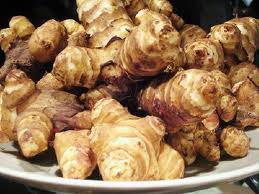
No, don't let the title mislead you, this will not be a poultry porn post featuring certain knobbly roots...just I had planned the whole post this week around my newfound love for Jerusalem Artichokes (topinambur), (and that will come in following paragraphs), but the noble veg was bumped off the priority register by a fresh a miracle that happened only yesterday...

The turkeys had SEX!  and again today!  And maybe again tomorrow!  And for about a week now, we have been getting one turkey egg per day...that means that one of the turkey hens is laying, and one of them is getting laid.... Not sure if they are the same hen, (because only one of the hens has submitted so far) but just in case, Thanksgiving, Christmas and Easter have all three earned a stay of execution.  If we can get them to reproduce, they will be worth feeding over the winter, and we will be able to produce our own turkeys year round instead of buying the chicks (turkey chicks cost about 10 euros each!)

According to Barbara Kingsolver (in "Animal, Vegetable, Miracle") turkey sex is supremely rare.  I think that may be just american turkeys, but nonetheless, even here the norm is for artificial insemination and mechanical incubation, which means the animals themselves just don't know how to 'do it'.  The big heavy meat birds actually physically can't do it, but our second round of turkeys are a local rustic breed and they seem to be managing just fine.  In fact so long as Natalina, the original turkey hen (a commercial meat hybrid) was around, nothing was happening.  She was too big for the cock and she didn't make eggs, even though she was 3 months older than the other hens.  Now Natalina is in the freezer, and they're getting jiggy every day!  Takes them about an hour too, to get it all over and done with, from dancing and displays to the actual deed.  Funny in comparison with the rooster, who takes never more than 2 seconds...hop on, hop off, hop on, hop off (karate kid cock!)   The video below Gab took to show to some geese experts, trying to figure out if our geese are boys or girls (more poultry sex, hmmm), but there are some nice shots of the turkey cock in the background showing off his stuff...


So now for the originally planned post -- Jerusalem artichokes are THE MOST AWESOME VEGETABLE ever!  We started harvesting them last week, and I started researching what they are and what to do with them...OK, a vegetable that

1) Grows all by itself, in just about every climate, produces up to 5kg of edible root per plant with no work at all, and the biggest challenge is keeping it to its appointed space because it will take over if you let it (now I know what it looks like, I see it wild everywhere)
2) is the highest vegetable source of iron known, and is also full of other essential vitamins an minerals
3) tastes more or less like potatoes, and is filling like a carb, can be roasted, mashed, fried, but also eaten raw and yet has a fraction of the calories of potatoes and other carbs.
4) has been implicated in prevention of diabetes, and directed towards even a cure -- it is a carb, but its sugar is in fructose and Inulin instead of starch, and humans can't digest inulin -- so you get carb satisfaction without any impact on blood sugar and without carb calories.  In fact, it also makes a lovely flour when dried and ground (made bread with it this week, delicious!)
5) IS DELICIOUS

What more can you ask for???  I just love delicious calories that come naturally and wildly, without too much intervention, and the Jerusalem artichoke is just that.  Its actually not an artichoke, and has nothing to do with Jerusalem -- its a type of sunflower, (girasole, and 'jerusalem' comes from that)  and you eat the roots.  Peeled, they can be eaten in any way you eat potatoes.  Long term and winter storage is best just in the ground, dig 'em up when you want to eat them, and they live right through the deepest freeze, so those you don't dig up make next year's crop.  For the deep freeze of winter, they can keep in boxes of damp sand in the cellar, or I read of one gardener that put them in buckets of mud by the back door -- still freezes, but easy to get through.

One warning though...all that undigestible inulin makes for some pretty world class farting!  So add to my list of positives about this veg 6) keeps you entertained for hours with family fart-offs! ("pull my finger Nina!") But don't eat lots before a long road trip...!

Monday, September 26, 2011

Summer, Harvest, and Chicken lessons

Wow, OK, its been 4 months...sorry!  well, for a farmer and his wife things get kind of busy from June till about...well...I reckon it will slow down by the time the baby's born...

We have had a really fun summer, full of successes and failures -- lots of lessons learned, that's for sure!  We moved up to the little farm, and lived there for a bit more than a month.  In the meantime, we rented out the villa in Salo to holidaymakers, and thus recouped about 2/3rds of the cost of the well fiasco.  So we got to try out the life on the farm, and pull ourselves out of a hole at the same time!  Lots of board games in the evenings!  We also got 4 new kittens, which kept the kids more than entertained on long summer days...on the top right picture, clockwise starting with the black cat...cleopatra, stracciatella, cora, and bella (the calico).  Bella, Straccia and Cora are sisters, and Cleo is about a month older, an egyptian short haired cat with a rather queenly attitude.

It will be impossible to describe in detail all we've
done and all we've learned in a single post, but I'll try to do it theme by theme over the next few days.  Today, its all about the chickens.  And maybe tomorrow I'll be able to go over the harvest and all the food production done in the last few months...

The Chicken Story
Big time trials and tribulations here...to round it up in a nutshell...the ones that are left are really really strong...that's darwinism for you!  Of our first batch of 22 hatched Valdarno chickens, only 2 survived.  When they were about 1 month old, we released them from their protective cage to run free -- when you are a small chick in the springtime, freedom can be over-rated. They were relentlessly hunted by a local eagle.  The eagle got 9 of them in two days.   Then, a couple weeks later, the local fox and her cubs were coming out hungry...they got 11 chicks and 3 of our leghorns before we figured out that they only attacked when we weren't around. So, for the rest of baby fox season, we played "chicken Shepherd" keeping them near us at all times, and that kept the fox at bay, though was a major pain in the butt.

The turkeys and other adult chickens were fine, strong enough to defend themselves. (although 3 of our first 4 turkeys died due to a respiratory disease that they had when we bought them -- we were ripped off by a dodgy breeder).  To the left, two turkeys we bought to replace the sick ones, a boy and a girl we call "christmas and easter"...unless they figure out how to get jiggy before the frost sets in.  A breeding pair is worth feeding through the winter...

The last of our leghorns actually fought off the fox -- he got all her tailfeathers, but she survived!  Now the geese are strong and aggressive enough to defend the whole flock, so we are a lot less predator prone now than a few months ago.

But that's all OK, 'cause we had another full incubator of eggs on the go.  Only, out of 50 eggs only 10 hatched.  We still don't know what went wrong, but reckon it was the weather -- too humid perhaps.  So another big disappointment.  Of course, the answer is to fill the incubator again.  This time, the incubator was already up at the little farm, humming away on the kitchen counter.  About a week before the eggs were due to hatch, we moved up there to live for the month of August.  We bought a gas stove to cook on.  It was placed beside the kitchen counter.  The first plums came ripe.  I made Jam.  Has anybody figured out where this is going yet?

All but one of the chicks were cooked in their eggs, GAAAACK!   the heat from the stove raised the ambient temperature and humidity too much for their continued development.  Out of the whole incubator full of eggs, we only got one chick...we call her "Nemo" (pic right), and she's a tough little thing (we hope its a she anyway, seems to be but too early to be sure).

So, a fourth and final incubator full of eggs, in the bedroom in the most controlled climate we can give, with constant care given to the humidity channels -- this time only 3 hatched out of 50, so something is wrong with the incubator or its just not a good idea to incubate eggs in a non-professional incubator in August (professional incubators have humidity controllers as well, but cost in the thousands instead of a hundred bucks or so). But luckily our broody hen was broody and sitting on another little clutch, and 4 of her 5 eggs hatched, so we got 7 new chicks from the batch.  The broody hen then happily adopted the 3 from the incubator, and Nemo as well, though she's a month older than the others.  Now they are strong and free and out scratching.

So, from 200 eggs, we have a total count of 2 + 10 + 1 + 7 valdarno...20 chickens, less than hatched with the first batch!  And of those, we have one super prize cock, a few great hens ready to start laying any day now, and a good 5 or 6 yummy boys for the freezer.  The wee ones from the last batch are still to small to tell whether they will be freezer bound or layers...not enough to be self sufficient on the poultry front, but enough to establish our own flock with second generation hatchings next spring. So we didn't achieve the goal this year, but its well in sight!  That's just the Valdos, though -- we also have 2 geese, 4 turkeys, AlPacino and four dwarf hens that go broody, and Isa and Liv, the two consistent layers (Liv is the lastest bravest leghorn, Isa is the greatest layer, even though 'just' a commercial that we  bought to protect the dwarves from the cats a year ago).

Next installment, or about the harvest, or recipes for what to do with it all...haven't decided yet!

Wednesday, May 4, 2011

HATCHED!!

A couple of weeks ago, the chickens were all moved up to the new chicken house in Provaglio, except for...two hens went broody and stayed behind in Salo sitting on their eggs.  They were sitting together in the same nest on 3 giant goose eggs (from a neighbour) and one teensy tiny egg from the dwarf chicken "Chinesina".  Then we bought 4 new leghorn hens and 4 turkeys (mmmm...thanksgiving!) that went straight up to the little farm and started making themselves comfortable.  Lots of new poultry to keep us entertained!  Then Gab went to the champion breeder of Valdarno chickens and bought 40 eggs, and all they went into the incubator.  And just 3 weeks later...


WE HAVE CHICKS!!! AND THEY ARE SOOOOOO CUTE!!!

On friday, all the eggs in the incubator started hatching! On saturday, the geese and one dwarf chicken egg under the broody hen hatched!  How exciting!!! In spite of a power outage on the incubator for a few hours, we still got about 50% hatch rate, which is great for the first time!  22 little chicks and They are Soooooo Cute!  Here is a video of the valdarno chicks just hours old (under their heat lamp now)... 
And here is a video of the two geese that hatched (the third didn't make it) and Chinesina's little survivor egg...he is just absolutely adorable. Nina's called him "nemo" 'cause he's the lone survivor of a predator attack that took his mom...he's got special dispensation, and won't be destined for the pot any time soon!


The bees arrived too!  5 hives and millions of bees -- Gab kitted up in the beekeepers suit and took 5 colonies of bees and transplanted them from styrofoam boxes into their actual hives, and MAN were they pissed!  But the beekeepers suit worked, and he didn't get a single sting!

But there's bad news too -- within a couple of days, the new turkeys all showed signs of illness.  (I have never seen an uglier creature than a turkey...even the babies are hideous...still, endearing in their grotesquerie)  The stinking nasty brutish industrial battery raising stinking (did i say that already?) farmer sold us sick turkeys.  By the rules of the farmer's market where we bought them, they all should be vaccinated.  Humph, yeah right.  Same stinker sold a "couple", meaning cock and hen, of purebred dwarf chickens to Sabrina...she got them home, and they were a very modern "couple"...two cocks.  Double Humph!  Within two weeks, two of the turkeys were dead, but the other two miraculously survived.  The vet was tres impressed, and now we have 2 quite rugged immune turkeys!

About the same time as the turkeys were dying, we forgot to close the broody house here in salo one night and a weasel got in and killed one of the broody hens.  Nina woke to the ruckus and came to wake us up, and we ran outside and scared him away before he could get them both and the eggs too. We lost the Chinesina, but saved her wee little eggie.

And then, while all this is happening, where is the damn cat?  She up and disappeared. After a week we started to worry it was more than spring wanderings.  Signs up all over the village, but our Calli has disappeared...maybe she's found a nice quiet family that feeds her tuna once a day and is living it large...i hope so!

But back on a good note, we had our first party!  Gramma and Grampa are here from Canada, and we had a picnic on easter monday up at the farm, and it was the best party ever!  Gab built a barbecue out of old pallets and some roofing tiles...who needs to spend hundreds of bucks on a barbecue, humph, not us!  Loads of people came, and we all had a beautiful day, loads of food and a great easter egg hunt.


Tuesday, August 31, 2010

Cat in the Hen House

Guess what??  Turns out cats like to chase chickens.  Who'd a thunk it?

Only a day after FB's first escape, I took Mirco back to look at them and ALL the chickens were missing.  AAGH!  We went off searching for them, and found all but fat bastard...the only one that couldn't fly...coincidence?  We're hoping so.  There were no feathers around, anyway.  We like to imagine him in the woods, re-establishing the wild chicken population.

Next day again, they all flew the coop...but this time we heard a major commotion first and saw the cat in hunting stance in the hedge.  Cat got hosed, chickens caught.  We thought she learned her lesson, but no -- two days later, another cat attack and alpacino ended up in the swimming pool.  Gab was right there and picked him out before he got waterlogged, and the cat got hosed again.

A couple of days without incident, and then the neighbour brought me Alpha and Beta, who had wandered into her hedge.  Then again the next day: this time we could only find Alpha, Beta and Al...Annie was missing. We searched for her everywhere, high and low, and didn't find her until Gab cleaned the pool that evening...in the filter skimmer.  First casualty.  (Picture shows Al and Beta)

And that was that -- next day was Friday, and Gab, Mia and Raff went back to the farmers market. They came home with a beautiful rooster, a grown bantam hen, a fully grown normal egg layer, and a beautiful little "pheonix" chicken.  Its been fascinating watching them integrate and establish their relationships and pecking order.

The rooster is called Mr. President 'cause he's more beautiful than he is smart, and he likes the ladies.  And we had just seen AlBorosie in concert and had been singing the song for a few days straight: http://www.youtube.com/watch?v=1tl1G995uPE.  His wife, the white broody bantam with black tail, is of course Mrs. President.  The phoenix is Fawkes (what else could we have called her?).  And the layer is just "ovaiola". In the picture:  Mr & Mrs President, Ovaiola (the big brown hen) and Beta.

Mr. President has taken to putting the girls to bed (we are having our doubts about Al...maybe he's a girl...no spurs, and no fighting with the Prez yet) and then he roosts outside up high in the trees behind the fence.  Drama yesterday morning, when in classic politician style, Mr President swooped down from his high perch and landed on the wrong side of the fence.  He was in a panic, trying to reach his ladies, crying all around.  Too stupid to climb back up and try again, not creative enough to use the ramp Gab put for him, and too freaked out to let gab catch him, Gab eventually cut a hole in the fence and put bread by the hole.  He had one direction only, straight ahead!  Once he was through, we fixed the fence and all was fine!

Oh yeah, and no more cat problems.  He may be stupid, but he keeps the cat away!

Gab is off to see about a piece of land today...maybe these characters will soon have a bigger better abode!  Everyone send luck wishes that it works out, and the next post will be all about our new farm!

Friday, August 20, 2010

Fat Bastard Flees

So, the chickens. Gab's new love and light (yes, I am a bit jealous, just a wee bit! they get their lovingly chopped up leftovers before I get my morning coffee...).

We hadn't been back a week yet: the friday only 3 days after our return, still jet-lagged and groggy, we hauled ourselves off to the Montichiari farmer's market at 7 in the morning. (note: market for farmers, not of farmers, nothing to do with the pomo sunday pocket market...!).  We asked at every chicken seller until we found one selling bantams (dwarf chickens, bred specifically for sitting on eggs, then when we are ready to have lots of chickens, we can hatch them ourselves).   We brought home five of them, still to young to tell which were cocks and which were hens.

They stayed in an enhanced cardboard box house for 3 days while Gab built the finest little chicken house in Villa, all out of reclaimed material we had lying around.  Just to give you an idea, these chickens have a terrace balcony with its own roost.  There's a pulley system so we can open the door from our bedroom in the morning...  Its a really nice little chicken house!  (the roost isn't added yet in the picture -- those boxes on the side are the nests, for when its time to sit on eggs).

Everybody says "don't name the chickens", it will be harder to eat them after.  But we couldn't help it, they started naming themselves.  There's the lead cock, AlPacino (he's tiny, he's white, he's american, and badass).  There's the cowgirl americanella (breed), "speckled annie", and I keep expecting her to get her gun.  Or at least do anything I can do better.  There's two hollandese (breed) that aren't particularly interesting, so they are alpha and beta.  And then there's fat bastard.  He's fat. He's a bastard.  What more can I say? Oh, he's also dutch. He's double the size of any of the others in only a couple of weeks.  In spite of his size, though, and in spite of many pecks and fights, Alpacino rules the roost.

Yesterday was the historic moment -- they had been living in the house for more than a week, the fence was finally completely up and secure.  It was time to set them free!  It took only a minute or two for them to realise that they could actually come out (beta was the last, she was...ummm...chicken).

They pecked around, explored, picked bugs and worms.  Mia's rabbit brownie came to keep them company for a while.  The cat showed enormous interest (we'll have to keep an eye on that!). And come sundown, like clockwork, they headed back all into their house for the night.  Well, most of them did.  We did a final goodnight check, and Fat Bastard was missing.

Gab looked everywhere, shook the hedge, looked under the woodpile, tromped all around the enclosure trying to find him or wake him and make him show himself.  Oh no!  We thought they were still too small to fly.  Not Fat Bastard.  (note: bantam chickens actually can fly, they are bred to have a low body weight since we don't eat them or want eggs from them, no farmer wants to spend too much money on their feed, and thus the ratio of wing to weight is enough that they can kind of hop-fly up into trees and such.).

Oh well, maybe he'll come back tomorrow, when he's hungry and thirsty.  Then, getting ready for bed ourselves, we went out on the bedroom terrace and guess who was there fast asleep, roosting and pooping on the terrace railing?  bastard!  told you so!  We grabbed him, and clipped his wing feathers right away (About 5cm off the end of the wing and they don't feel it at all)   No more flying for you boy.

And this morning he was there, bright eyed and bushy tailed and ready for breakfast.  This morning: wheatabix and milk, canteloupe and pasta.